Showing posts with label Atlantic. Show all posts

Thursday, July 16, 2026

Deep Sea Mining off the Bay?

Bay Journal, Environmentalists worry Virginia seabed mining could affect migratory fish

The U.S. Bureau of Ocean and Energy Management (BOEM) began soliciting public comments and industry feedback on potentially leasing more than 2,500 square miles near the mouth of the Chesapeake Bay to seabed mining. The public comment period ends July 23.

Minerals targeted for extraction from the ocean floor include manganese, nickel, cobalt and so-called rare earth minerals needed for smartphones, defense systems, medical devices, batteries and other technologies.


Environment Virginia, the Natural Resources Defense Council, the Southern Environmental Law Center, Citizens for a Better Eastern Shore and other groups are concerned this could disrupt marine life, commercial fishing and military operations. Dylan Mason, public policy manager with Lynnhaven River NOW, said he’s worried that large sediment plumes from the mining could disrupt migratory species entering the Chesapeake Bay.

In early 2025, President Trump also pointed to environmental, military and fishery concerns in his executive order to pause or cancel offshore wind projects like Coastal Virginia Offshore Wind project near Virginia Beach.

BOEM started gauging interest in seabed mining after a company requested to mine the area last November. The lease area is between three and 63.5 miles off Virginia’s Eastern Shore and larger than the state of Delaware. BOEM says the request for comments and feedback should not be interpreted as an indication that seabed mining will be allowed or that the whole lease area will be mined.

I took a brief look at the Federal Register for this request. The area being looked at is surprisingly shallow, 30-410 ft, on the continental shelf. I, a Ph.D. oceanographer was unaware that there were areas with manganese nodules so shallow. I thought they mostly occurred in the abyssal basins, with very low sedimentation rates to interfere with their extremely slow growth rates. At this depth, it should be comparable in terms of environmental impact to oyster dredging or even shell harvesting for oyster aquaculture, and if areas are growing nodules, they probably have relatively little fauna anyway. We need the metals, especially to become independent from the Chinese. I say give it a try, and at least see if it's feasible. I fully expect a Chinese funded environmental campaign against it.

Wednesday, April 22, 2026

Offshore Power Goes Live in Virginia

Not Virginia
 Chesapeake Bay Mag, Coastal Virginia Offshore Wind is Live!

On March 23, the first Wind Turbine Generator in Dominion Power’s massive, 176-tower Coastal Virginia Offshore Wind project (CVOW) began sending 14.7 megawatts of electrical current to Offshore Sub Station #2. This achievement marks an important event in the development of CVOW, which, when completed early next year, will be the largest wind farm in the United States. CVOW will provide 2.6 gigawatts of power, enough for 660,000 homes. Harnessing the power of the wind means this project has expected fuel savings of $3 billion for customers during the project’s first decade of operations.

The project spreads the 176 836-foot-tall turbines 0.9 miles apart in a gridded lease area that begins 27 miles off the coast of Virginia Beach and extends an additional 15 miles to the east in the Atlantic Ocean. At that distance, the curvature of the Earth makes it difficult to see the turbines clearly from shore.

The task of installing all of those turbines and their 354’ blades falls to Dominion’s Charybdis, the first Jones Act-qualified Wind Turbine Installation Vessel. Charybdis is a 472’, self-elevating vessel equipped with a dynamic positioning system. She can carry four of the wind turbine generators at a time from Portsmouth’s Marine Terminal to the CVOW field and install them using her 2,200-metric-ton main crane. You can follow her activities on the free Marine Traffic website and phone app, as well as Dominion’s plans for the rest of April in the company’s monthly Mariner’s Report. (You’ll find all of the reports to date and other project Resources here.)


Look at Marine Traffic, though, and you’ll see many more vessels involved with building out CVOW. Each tower’s 31-foot-circumference monopile, up to 272’ long, has been driven into the seabed and stabilized with rock for scour protection. The vessel undertaking the latter task is appropriately named Livingstone. Only then can an offshore supply ship like 292’ HOS Riverbend deliver the transition tubes, towers, generators, and blades for Charybdis to install them, one by one, onto their monopoles. Meanwhile, these vessels require a fleet of supply ships like 498’ heavy lift transport vessel Maria, 85’ anchor handling tug VOE Viking, 82’ safety vessel Pontos, and 86’ high speed crew transfer vessel Patriot Leader. The latter is typical of the big aluminum catamarans developed for servicing crews and cargo to wind farms whenever needed, in all reasonable weather. It’s no surprise that some of them are coming from the East Coast’s primary builder of pilot launches, Gladding-Hearn Shipbuilding of Somerset, Massachusetts.


Remember that once a tower generates power, it has to be brought ashore to connect to the grid. Carefully laid and stabilized on a prepared seabed, 176 inter-array cables (231 miles in total) will connect individual towers to three large, crewed offshore substations. From there, nine buried submarine high-voltage, alternating-current Offshore Export Cables (approximately 350 miles total length) connect the offshore substations to shore at the State Military Reservation in Virginia Beach. The business of laying those cables, stabilizing them, and building out that infrastructure requires another fleet of vessels, led by 285’ cable layer Curo, supported by 302’ offshore supply and cable support ship HOS Black Foot. Other support vessels include 126’ tug Isabelle, 394’ cable lay barge Ulisse, and 79’ diver support vessel Storm Diver. The magnitude of Dominion Power’s Coastal Virginia Offshore Wind project forms a staggering management challenge, a huge investment in clean electricity for the Commonwealth’s twenty-first century. Despite a temporary but expensive work stoppage in December and increased material costs, CVOW is forging ahead. It brings Tidewater Virginia a class of power generation and maritime commerce that, while new to these shores, is well established in Europe’s North Sea and elsewhere. As Chesapeake Bay Magazine publishes this story on Earth Day 2026, visit the live Marine Traffic website on a computer screen and look at what the various vessels in CVOW’s fleet are doing to celebrate our Island Home.

But the question remains as to whether it will be damaging to whale populations. 

The Wombat has Rule 5 Sunday: It’s (Almost) That Time of Year Againup and garnering clicks at The Other McCain.

Monday, March 31, 2025

Judge Demands Data on MD Horseshoe Crab Deats

WMAR 2 Baltimore, Judge orders Maryland to release data on horseshoe crab deaths

A national environmental group has forced Maryland to release its data on horseshoe crab deaths, which have skyrocketed in recent years. The Center for Biological Diversity sued the state's Department of Natural Resources to get records on tens of thousands of horseshoe crab deaths - and a federal judge in Anne Arundel County just sided with the organization.

"Mass mortality" events have led to problems like "thousands of horseshoe crabs clogging" Ocean City canals for three years in a row, 2021-2023, the group noted.
Dead Horseshoe crabs wash up in Ocean City
Medical companies harvest horseshoe crabs for their blue blood, which is used to detect toxins in drugs and medical devices, according to the press release. That's led to double the horseshoe crab harvests since 2017 - but the organization hopes getting official numbers can "reveal the extent of overharvesting" and help fast-track the switch to synthetic alternatives to the blood.

Maryland's DNR must now release the data within 30 months. The department responded that it "will discuss the ruling with counsel and determine options and next steps."

I wonder if COVID and vaccine production and testing were responsible for increased demand of Horseshoe Crab blood?

Thursday, May 2, 2024

Whale Lawsuit Slows Virginia Offshore Wind Power Project

At WUWT, Dominion Energy Atlantic Coast Offshore Wind Project Delayed by Lawsuit Seeking to Protect Endangered Right Whale

WASHINGTON, DC (May 1, 2024) — An order by a federal judge on Monday delayed the start of “pile driving” construction for a massive wind project off the Atlantic Coast by Dominion Energy. Judge Loren L. AliKhan convened an expedited status conference hearing in response to a coalition of three public interest groups—The Heartland Institute, the Committee for a Constructive Tomorrow (CFACT), and the National Legal and Policy Center (NLPC)—suing Dominion and the Biden administration, claiming they have not done the legally required research to determine the project won’t harm the critically endangered North Atlantic right whale.

The coalition requested a preliminary injunction Monday to stop the project before pile driving began, allowing time to further study its environmental impact – specifically the cumulative risk this project and others along the Eastern Seaboard, pose to the North Atlantic right whale, of which only 350 remain, including an estimated 70 females capable of weaning a calf.

In Monday’s hearing, Judge AliKhan expressed concern that Dominion Energy did not yet gain approval by the federal government for its five mitigation plans, and she grilled the attorneys for Dominion Energy and the Justice Department (DOJ) about when they would gain approval. While Dominion and the DOJ were vague in their answers, the judge ordered them to file a status report on approval by this Friday, May 3. She also ordered Dominion and the Biden administration to file their response to the coalition’s lawsuit by May 6, and for the coalition to file its response by May 9. She is expected to rule on the preliminary injunction shortly thereafter.

See previous press releases about the efforts by the coalition of The Heartland Institute, CFACT, and NLPC at this link.

To speak to members of the coalition filing suit to protect the North Atlantic right whale, please contact Jim Lakely at jlakely@heartland.org or text/call 312-731-9364.

Along with the preliminary injunction, the coalition on April 2 filed a request under the Freedom of Information Act (FOIA) to compel Dominion Energy to reveal the methods it intends to use to protect the critically endangered Right Whale from extinction. Dominion has hidden its species protection plan from public view.

Dominion Energy stated in documents filed with the Bureau of Energy Management (BOEM) that it intended to begin offshore construction activities no later than May 1. The project plans to erect 176 giant wind turbines—with each tower taller than the Washington Monument, and turbine blades longer than a football field—to be constructed in the open ocean 25 miles off the coast of Virginia Beach, Virginia. If completed, the project would be the largest of its kind in the world.

This Dominion Energy project is but one of many massive offshore wind projects mandated by an executive order issued by President Biden on January 27, 2021 declaring that a “climate crisis” exists which “threatens mankind’s existence.” The Biden administration has given fast-track approval to dozens of wind projects off the East Coast with the goal of producing 30 gigawatts of electricity by 2030.

The amount of federal waters leased for these projects constitutes an area larger than the states of Rhode Island and Connecticut combined. The North Atlantic right whales would be forced to navigate a gauntlet of 32 separate lease areas from Georgia to Maine twice each year.

In the midst of a spike in whales washing up on shore in East Coast states, a dead North Atlantic right whale was found near Virginia Beach on March 30. It was a female, named “Catalogue No. 1950” by the New England Aquarium. accompanied by a newborn calf. That marked the fourth documented North Atlantic Right Whale death in US waters this year. Experts do not expect the calf to survive without the support of its mother. According to the Clearwater Marine Aquarium’s aerial survey, the mother had successfully raised five prior calves.

As always, when it comes to wind power projects killing whales, I ain't saying they do, and I ain't saying they don't.  Plausible mechanisms have been offered and not refuted, and scientific tests to determine the truth would be very difficult to perform. In similar cases of hypothetical  problems with less politically  favored forms of energy, the environmental community would generally side with those seeking to shut down the industry, asserting the precautionary principle.  

The Wombat has Rule 5 Sunday: Cherie Currie up and running for your digital amusement.

Tuesday, December 26, 2023

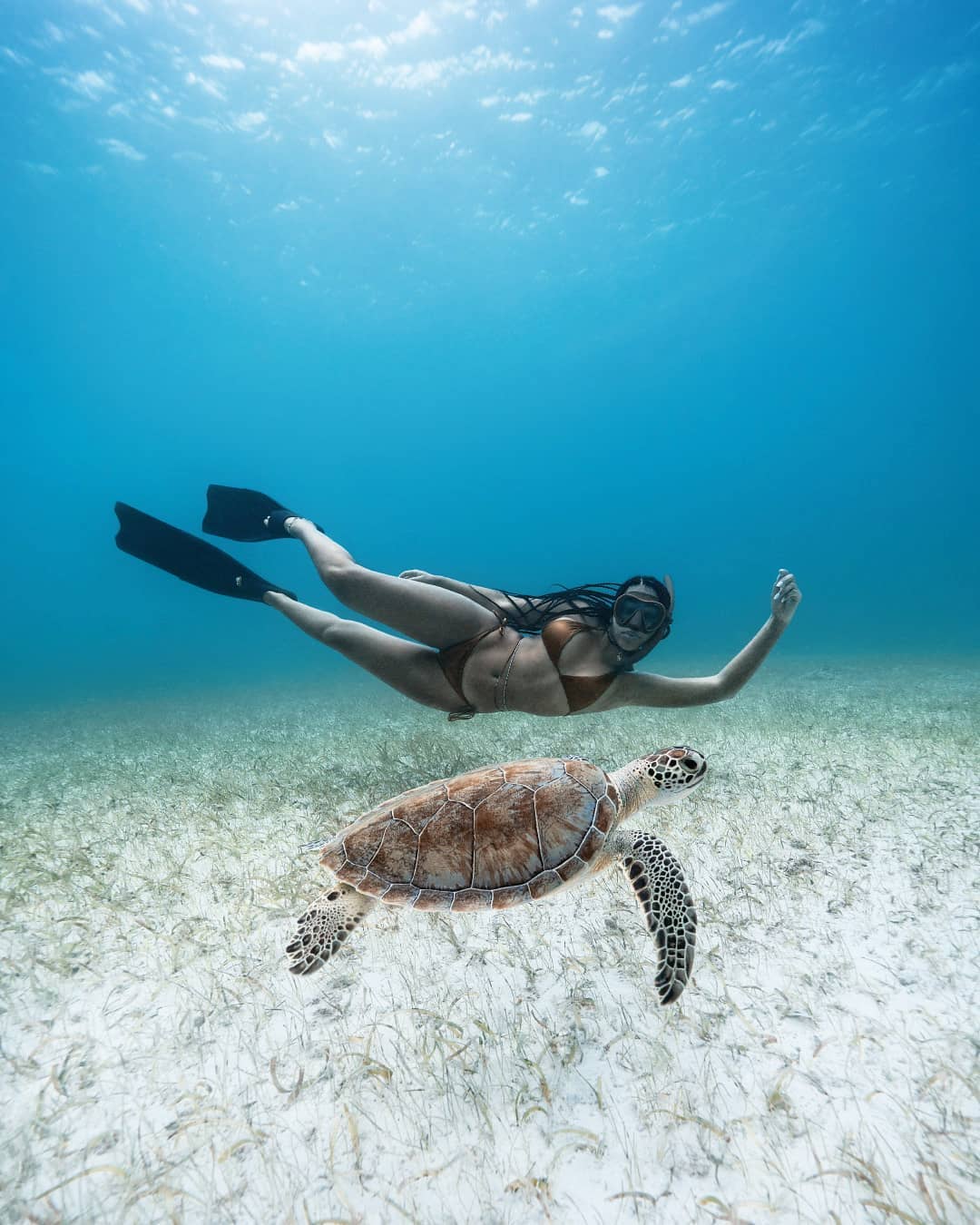
DNR on the Watch for Cold Turtles

 WRDE CoastTV, Look out for cold stunned sea turtles

The Maryland Department of Natural Resources (DNR) is issuing a timely advisory to all visitors of the Chesapeake Bay and Atlantic Coast, urging them to remain vigilant for signs of cold-stunned sea turtles.

Cold-stunning is a condition that can severely debilitate these marine animals, leading to hypothermia-like symptoms caused by prolonged exposure to cold water temperatures. Typically occurring during late autumn and early winter, cold-stunning becomes a significant concern as water temperatures start to drop, or when temperatures experience a rapid decline within a 24-hour period. Lethargic and unresponsive sea turtles pose not only a risk to themselves but also to boaters navigating the coastal waters. This condition can prove deadly for certain species, prompting Stranding Network members to respond to thousands of cold-stunned sea turtle incidents along the Atlantic Coast annually.

To ensure the safety and well-being of these vulnerable creatures, the Maryland DNR emphasizes that anyone encountering a lethargic, floating, debilitated, or deceased sea turtle or marine mammal in Maryland waters or stranded onshore should exercise caution by maintaining a safe distance and promptly contacting the Maryland Natural Resources Police Hotline at 800-628-9944. The hotline operates 24 hours a day, 365 days a year.

I've seen live sea turtles a few times in Chesapeake Bay, but to be honest, I've probably seen more dead and washed up than alive, suggesting there are more  around than you might suspect. I remember one time I was out fishing by myself, and a turtle's head popped up near the boat, looked around, saw me move, and ducked back down and disappeared. It was kind of cool. 

The Wombat has Rule 5 Sunday: Happy New Year! ready at The Other McCain.

Monday, January 23, 2023

Old Maryland Dove Retired

At the Bay Net, 1978 Dove Hauled Out Of The St. Mary’s River For The Final Time
After 44 years of service, the 1978 Dove was hauled out of the St. Mary’s River for the final time on January 17, 2023..

Designed by William Avery Baker (deceased) and built in Cambridge, Maryland by James B. Richardson (deceased), the ship was based on the small merchant vessel that sailed to the Maryland colony in the 1600s.

1978 Dove is owned by the state of Maryland and operated and maintained by the Historic St. Mary’s City Commission.

That strikes me as rather small vessel for routine trans-Atlantic travel.

1978 Dove served as the floating ambassador for Historic St. Mary’s City (HSMC), occasionally traveling to different ports of call in Maryland. When not on outreach trips, the ship was an outdoor exhibit at the living history museum.

The age and natural deterioration of 1978 Dove necessitated HSMC to commission the design, construction and launch of a new Maryland Dove.

A bad cellphone pic of the new Dove from a fishing trip
 It's a shame they needed to pull it.

Built in full view of the public at the Chesapeake Bay Maritime Museum in St. Michael’s, Maryland, the new ship was launched in the summer of 2022.

After careful consideration and examination of the ship in winter 2022, HSMC staff determined 1978 Dove should be taken out of the St. Mary’s River one final time.

Historic St. Mary’s City Commission is actively pursuing alternatives to make the best use of 1978 Dove.

We've seen, and been on the Dove for a short motor trip in the St. Marys River. Our daughter-in-law, Abi, worked at St. Mary's City, and crewed on the Dove on occasions.

Friday, January 17, 2020

VA Law Proposes Menhaden Conservation

Virginia lawmakers introduce fish conservation bills
Virginia State Senator Lynwood Lewis and State Delegate Ken Plum introduced two bills (SB791/HB1448) that would require the Virginia Marine Resources Commission to adopt regulations necessary to manage Atlantic menhaden. In response, NMMA applauded both pieces of legislation, calling the measures critical in the fight to protect forage fish.

In December, U.S. Secretary of Commerce Wilbur Ross issued a decision cracking down on overfishing in the Chesapeake Bay and paving the way for better management of the menhaden fishery. In a move celebrated by the recreational boating and fishing community, Secretary Ross found the state of Virginia out of compliance after Omega Protein willfully violated the fishing cap on menhaden – a key food source for striped bass – in the Chesapeake Bay.

According to a recent scientific study, the reduction in menhaden resulted in a nearly 30% decline in striped bass numbers. The striped bass fishing industry contributes $7.8 billion in GDP to the economy along the Atlantic coast.
In Virginia, Menhaden are unique in that they are managed by the legislature, rather than the Virginia Marine Resources Commission, which regulates other fisheries. The legislature has been notoriously weak, owing to the economic and political clout of Omega Protein, the firm that nets Menhaden in the Atlantic Ocean and Chesapeake Bay. The Menhaden are not used for human food; the oil from the oily fish is rendered into fish oil, and the flesh is mostly ground for chicken feed.

A good start. If passed, it will be up to VMRC to restrict fishing to an ecologically reasonable level.

Thursday, June 14, 2018

Nimby: Ocean City Turns Down Free Wind Power

Ocean City officials say they don't want offshore wind turbines to be built within 30 miles of the resort town's beaches under any circumstances — not even in exchange for free electricity.

That was among the offers energy developer U.S. Wind recently made to appease concerns that its planned wind farm off Maryland’s coast will harm tourism.

The company also dangled other community investments worth hundreds of thousands of dollars each year, and offered to alter its plans if Ocean City agreed to cover the costs of seeking new government approvals.

None of that was adequate to allay fears that tourists will abandon Ocean City and flock to other beaches if Maryland’s horizon is dotted with towering wind turbines, though. Town leaders rejected the offer, Ocean City Mayor Rick Meehan said.

The 32-turbine project could be the nation’s second and largest offshore wind farm, and is part of a nearly decade-long effort to boost Maryland’s supply of renewable energy. But as the proposal advances through federal reviews, Meehan said he won’t stop fighting to push the project farther off shore and protect beach views.
Maybe they'll allow a nice quiet nuke plant to be located on their sand spit?

Maryland is a funny state; we want clean, but mostly we don't want anything. Let the power be shipped in from Ohio, or some other place they burn coal.

Wednesday, December 21, 2016

Obama Locks Out Arctic, Atlantic Oil Discoveries

He hopes: Obama withdraws parts of Atlantic, Arctic from oil exploration
President Obama declared wide swaths of the Arctic Ocean and 31 Atlantic canyons off limits to oil and gas drilling on Tuesday, part of an 11th-hour conservation action to protect underwater habitats.

Obama's decision comes as Canadian Prime Minister Justin Trudeau announced similar measures Tuesday, as the two leaders called for an Arctic economy "free from the future risks of offshore oil and gas activity."
He should have added "free from job opportunity and economic development" too, but that wouldn't have sounded nearly as sexy.
For Obama, the executive action burnishes an environmental legacy that includes protecting more ocean areas from development than any other president in history. "This withdrawal prevents consideration of this area for any future mineral leasing for purposes of exploration, development, or production," Obama said in a presidential memorandum, a directive similar in effect to an executive order.

But unlike other executive orders, it's unclear whether Obama's action could tie the hands of President-elect Donald Trump. Obama is relying on a provision of the Outer Continental Shelf Lands Act of 1953, which says: "The president of the United States may, from time to time, withdraw from disposition any of the unleased lands of the outer continental shelf."

Obama said the withdrawal was "for a time period without specific expiration." While the White House did not use the word "permanent" to describe the action, many environmental groups did.
Liberal believe in the "liberal ratchet"; any gain made by their side is cast in stone, while any move contrary to their desires of the moment are deemed repealable by a simple presidential order.
But there's precedent for presidents reversing similar actions. In 1998, President Bill Clinton used the same law to renew a moratorium on offshore drilling until 2012. But in 2008, President George W. Bush reversed course, ending the moratorium four years early.

Republicans called the action "an abuse of power," and said it would lead to more reliance on foreign oil.

"The extremes to which this president will go to appease special interests never ceases to amaze," said Rep. Rob Bishop, R-Utah, chairman of the House Committee on Natural Resources. "It is nothing more than ideological chest-thumping from the president for the far left."

But Obama said in a statement that the drilling ban would have little short-term impact. While there are oil and gas reserves in the upper Arctic, most of them are cost prohibitive to extract unless oil prices triple.

Even then, Obama said, "it would take decades to fully develop the production infrastructure necessary for any large-scale oil and gas leasing production in the region — at a time when we need to continue to move decisively away from fossil fuels."
That, however, is largely true, except for the "moving away from fossil fuels". Oil is a commodity, and while prices are low (thanks to fracking and the war on fracking by the Saudis and Russia), the incentive to drill in the Arctic and the outer shelf is low. It's only when oil is scarce, or our foreign supplies are cut off for geopolitical reasons that we will attempt to access them. However, the threat of having them available also serves to make such events less likely. Even as is, when we need them, they'll still be available. But we might need a Republican president and congress to be able to access them.

President Trump should roll ex-President Obama executive orders in reverse order of date, by the newest first. The closer to the last day they are issued, the less well thought out, and the more provocative they are likely to be.