
If there’s one thing I’ve picked up over the past 30-odd years in the sport fishing game, it is to expect the unexpected. But man, things have changed in just the past decade when it comes to what finfish are hot and which are not in the Chesapeake Bay, so much so I’d have not predicted most of the changes.
Having just passed the halfway mark of 2025, I’ve been hearing more about sheepshead. And every year, I learn more. Earlier this week, I came across a post on social media describing a double-digit catch of these full-bodied fish landed by a fisherman in Connecticut.
When fish roam past their traditional territories, biologists have recently taken to calling this northerly movement an “extension” of a game fishes’ traditional migratory pattern versus an actual redistribution. I’m not sure if sheepshead fit this profile, but there does seem to be more of them in New England states. And have no doubt our changing climate and ocean and bay temperatures are influencing coastal fish’s patterns.
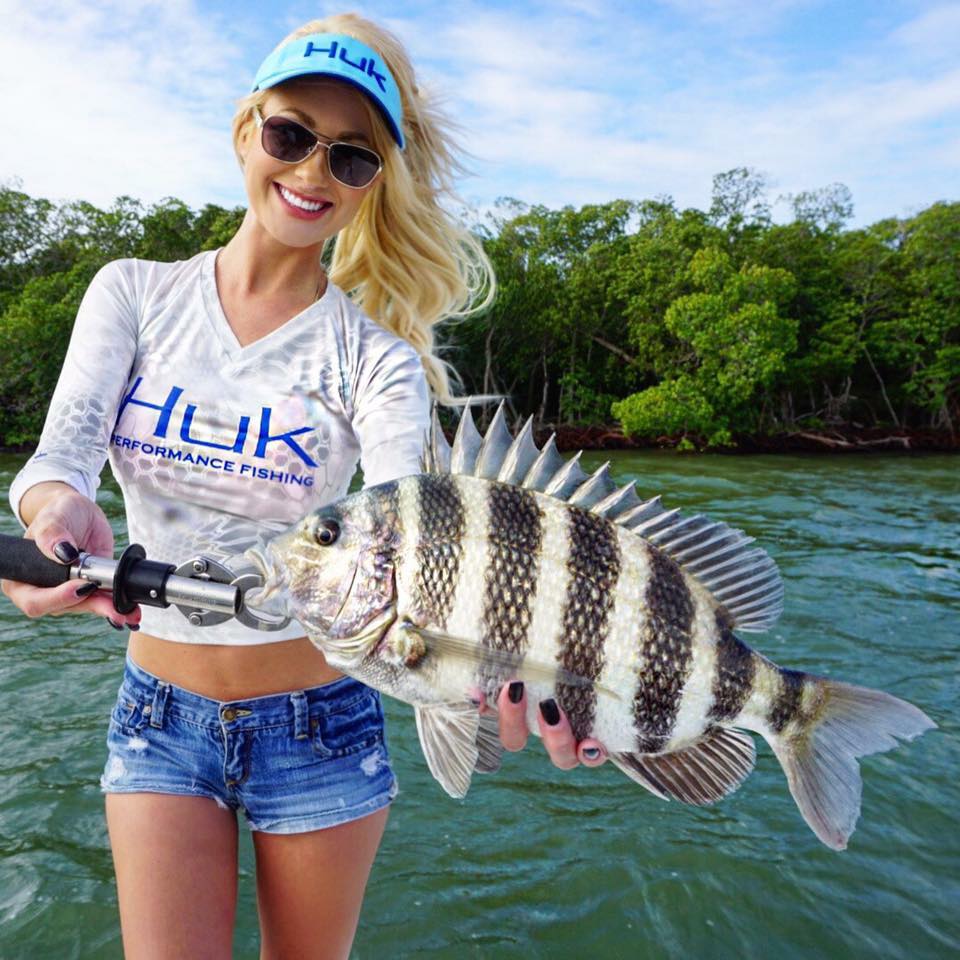
When reeled in, it’s common for the average angler to mistake a sheepshead for a juvenile black drum. But the teeth – oh those wonderfully gnarled, alien-like prongs – are a dead giveaway. How do they fit so many teeth into such a small cavity?
As the cobia bite softened this past week, a notable number of anglers have walked into my shop looking for small hooks and premade sheepshead rigs, which we call “Sheeper Sweepers.” The rigs we carry are made by a Chesapeake Bay charter skipper and have a swinging 1/0 hook attached to a swivel imbedded into a halfmoon-shaped jig head, which ranges in weight from ¾ ounce to 2 ounce. Some anglers choose to go weightless, using just a baited hook.
The Chesapeake has an ample supply of good sheepshead territory. From the mega-structure CBBT, rocky substrates or submerged obstructions (think wrecks and reefs) as well as smaller bridge pilings and worn out groins and wharfs, there is no shortage of good to great sheepshead habitat.

Clearly, scouting by boat is much easier than fishing from shore, but shore and pier anglers can get in on the fun, too. As for bait, live fiddler crabs are probably the top choice in the bay, followed by fresh or frozen shrimp, sand fleas (mole crabs) and clams.
Sheepshead have earned their nickname “convict” fish not just for the vertical stripes but also for their expertise as bait stealers. Which is why it pays to go small, hook-wise. A 1/0 hook snelled to 30-40 pound leader and then attached to a running line of 20-pound braid is sufficient.
As for reels, a 3000 sized reel with a quality drag matched with a medium-heavy rod works just fine. I prefer my 7-foot Triumph inshore rod from St. Croix.
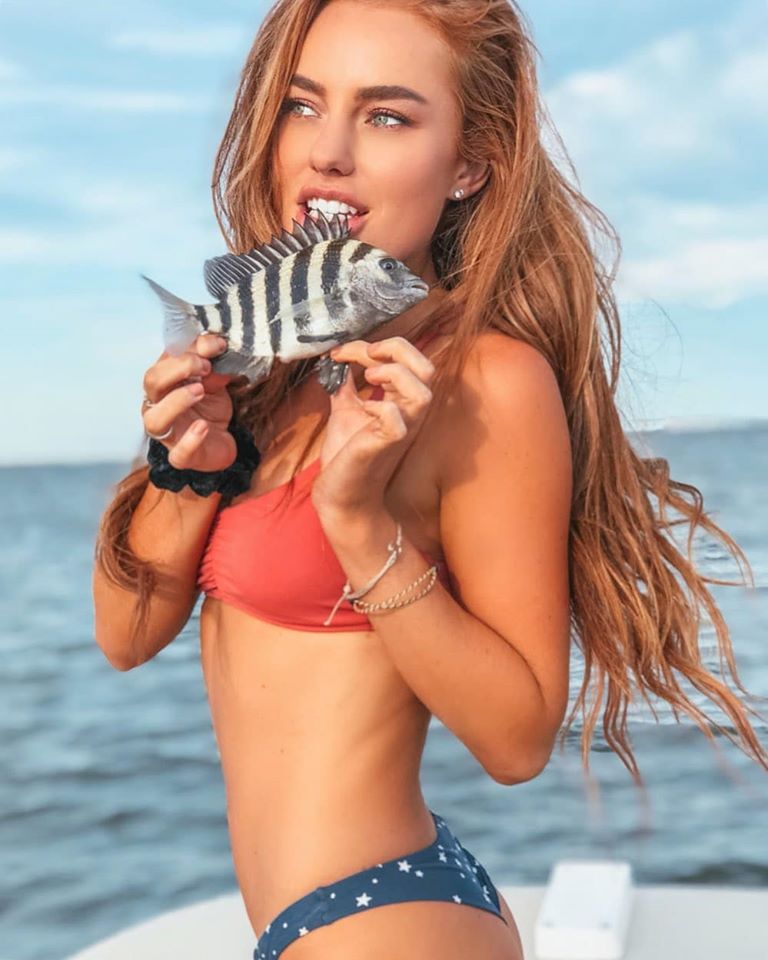
Sheepshead devotees tell me that subtle differences in approach and presentation make or break a sheepshead trip. Meaning: A slow, deliberate approach to a sheepshead’s haunts and a good first cast are key.
Use a 6’6” or a live fiddler crab or shrimp on a 1/0 short shank hook, unweighted. The bait should land less than a dozen feet or so ahead of the fish. If you get too close, you’ll risk spooking them off.
As marquee inshore species like stripers and bluefish are on the decline, more anglers are targeting this wild looking, hard fighting summer visitor. Give it a try it, you just might become another covert.
I look forward to catching my first Chesapeake Bay Sheepshead.
The Wombat has Rule 5 Sunday: Add More Ginger As Required up and garnering clicks at The Other McCain.


No comments:
Post a Comment