Showing posts with label leaves. Show all posts

Tuesday, October 28, 2025

The Annual 'Don't Rake Your Leaves' Post

Via the Chesapeake Bay News List, from Casey Trees, October is Leave the Leaves Month! It's not October that bothers me, it's November

While October is known for being all things spooky season, it also has a lesser-known dedication: Leave the Leaves Month. You read that right – ditch those rakes, throw caution to the wind, and let your trees’ leaves coat your lawn in striking autumnal colors!

And if your neighbors get up in arms over your fallen leaves, there’s no need to fret. Read on to learn how and why letting nature do its work is a surefire way to help your lawn, the local environment, and your back pain. A blanket of leaves doesn’t just look pretty, it also has many ecological benefits!


While it’s easy to think of a tree’s fallen leaves as a pesky chore or as a feature of a messy lawn, it’s time to reframe them for what they really are: nature’s mulch. As leaves decompose, essential materials such as carbon, potassium, and phosphorus are released – nutrients that were borrowed during a tree’s growing season that are then recycled back into the soil.

A coat of leaves on the ground also helps keep soil moist and cool, reducing soil evaporation and insulating the ground from extreme temperature changes. This blanket also serves as a weed suppressant, blocking sunlight from reaching weed seeds and thereby reducing competition for a plant’s resources.


Helping your soil health doesn’t just affect your yard – it also impacts your greater community.

Terms such as “leaf litter,” “yard debris,” and “detritus” lend people to believe that fallen leaves are piles of stagnant, unliving waste. However, this couldn’t be further from the truth: fallen leaves are incredibly valuable habitats for countless living organisms. From microbes to macrofauna, these leaves are brimming with biodiversity, complex food webs, and innumerable ecological processes.

Fungi and bacteria lead the way for decomposition, breaking down the leaves into those critical nutrients for plants to reuse. Invertebrates such as snails, worms, and millipedes work to shred the fallen leaves into smaller fragments as they go about arboreal meals, contributing to the leaves’ nutrient recycling. And the buffet isn’t just for smaller critters – birds, frogs, and other larger animals pick through fallen leaves seeking out valuable food sources.


These fallen leaves also provide essential habitats for countless insect species. Butterflies, moths, and other organisms spend a portion of their lives amongst the fallen leaves resting upon the ground. If these leaves are shredded up, removed, or composted, these important species fail to reemerge in the spring. In other words, eliminating leaves decreases biodiversity while also removing the crucial ecological services these organisms provide, including pest control.

When we clear everything away, we’re not just “tidying up” — we’re removing habitats and food systems that keep our ecosystems balanced.

Nothing would make me happier than ignoring the leaves that will soon blanket the quarter acre of yard, the driveway, and the gardens.  But Georgia won't let me. The leaves on the lawn will be mowed in, and, eventually, the leaves covering the gardens raked and turned to compost. The rest of the two acres are still covered with woods, so the the leaves can rest in peace, and grow the fungus and bugs as nature intended. 

The Wombat has Rule 5 Sunday: Barbara Eden up and garnering clicks at The Other McCain.

Tuesday, October 8, 2024

Forget It Jake, It's Baltimore

Probably not Baltimore
Focusing on the Big Problems, Fox 5 Baltimore, Baltimore City Council votes to ban gas-powered leaf blowers

The Baltimore City Council voted 10-5 to ban gas-powered leaf blowers Monday night.

The ordinance takes effect Dec. 15 for all city entities and contractors.

Landscape companies and residents may use gas-powered leaf blowers between Oct. 15 and Dec. 15 of 2025 and 2026 before the ordinance goes into effect year-round.

In one hour, a commercial gas-powered leaf blower emits as much pollution as driving a car for 1,100 miles and four times as much as commercial lawn mowers, the environmental group the National Audubon Society said in a letter supporting the ordinance.

I don't believe the last set of statistics, unless they picked they dirtiest leaf blower, and the cleanest car they could find. But even if it is, so what? It's not that air pollution from leaf blowers is really a significant problem in Baltimore. 

They just like to ban things.

The Wombat has Rule 5 Sunday: Well Rounded up and garnering clicks at The Other McCain.


Sunday, November 26, 2023

Maryland, My Maryland

Well, technically Montgomery County, but where Monkey County leads, the state usually follows. Montgomery County’s Leafblower Law–What does it mean for Me?

Montgomery County recently amended the County’s Noise law to prohibit certain gas leaf blowers–here’s what you need to know!

I heard this was a “phase out”. When Does the Prohibition Begin?

Sales of gas-powered handheld, backpack and walk-behind leaf blowers and leave vacuums are prohibited starting July 1, 2024. Use of gas-powered handheld, backpack and walk-behind leaf blowers and leave vacuums are prohibited starting July 1, 2025. The only exemption for this law are agricultural producers working on agriculturally zoned properties.

Why did the County pass this law?

Two-stroke engines like gas leaf blowers have an outsized impact on worker health, air quality, and the environment. Here’s just a few reasons why gas leaf blowers are problematic: Using a gas leaf blower for one hour emits the same amount of emissions as a car driving from Washington, D.C. to Miami, Florida! Americans use 3 billion gallons of gas each year just maintaining lawns and gardens! Here in Maryland we use 72 million gallons!

Low frequency noise from gas leaf blowers is a powerful stressor on health. The most cited effects on human health refer to emotional changes such as annoyance, agitation, and distraction, in addition to the association of low-frequency noise with cognitive alterations, the development of cardiovascular diseases, sleep disorders, and high blood pressure.

I suppose it depends on what pollutant you are concerned with. Obviously for CO2, the amount of pollution is proportional to the amount of gasoline burned, so the leaf blower uses far less. If you're concerned with CO, and unburned gas components,  the leaf blow certainly emits more, but is it really a big contributor to local air problems? I doubt it.

But what about the cost to my property or business?

Making the change from gas leaf blowers to electric can be an upfront cost, but the savings will pay back quickly in the costs of fuel and maintenance. Your health and the health of workers will be greatly improved working with electric machines. Not to mention, no more trips to the gas station, no hazardous fuel cleanups from spills, no concerns about the right oil/fuel mixture, no more air filter cleaning or spark plug replacements, and improved safety from less noise and cleaner air.

They really just don't care. 

Aren’t lithium ion batteries bad for the environment? And can they do the job?

For those of us not willing to use a rake, battery technology is much cleaner than fossil fuels. 90% of battery components can be recycled and reused over and over–once gas is burned, it’s only a pollutant in our air. And electric machines can be powered from renewable energy sources, like solar and wind–something fossil fuels can never do. 

Yes, but that's mostly someone else's problem, like the Uyghurs in China, or the miners in Chile and Australia. I guarantee there's not a single lithium mine in Montgomery County. Not to mention the cobalt mostly mined in Africa with child labor, basically slaves.

It is important to invest in quality equipment, like machines that have been rigorously tested by AGZA, to ensure you are buying machines with well-built and long lasting batteries.

While you might have to break out a rake a day’s work of heavy, wet leaves, or mow leaves for properties with lots of trees, good electric leaf blowers have come a long way and can do most jobs. Landscapers might need to have extra batteries for heavy work, and modifications to their trailers or workshops to charge multiple batteries safely. Shop wisely and charge smartly!

Are there fines if I violate the law?

Yes, the County’s noise law has fines. Noise violations are $500 for the first violation. With 18 months to make the transition, we are confident that folks with be working with electric leaf blowers well before then. The County is working on development of a rebate program to help our community make the transition. Stay tuned!

For what it's worth, I don't really like or use a gas powered leaf blowers. We had one once, and I wasn't a fan. It smelled, mixing gas and oil was a pain, and the carburetors always get gunked up.  We have a corded electric one, and enough power cords to reach anywhere I might need it. Georgia recently bought a small battery one for light jobs and it's a pretty nice for small jobs. But that doesn't mean I'd deny anyone else the choice.

Tuesday, November 8, 2022

The Annual Leaf Post

One (or more) pops up in the Chesapeake Bay newsfeed every year: USDA, This Fall, Leave the Leaves!
It’s the time of year to do your fall garden cleanup. Rather than the tedious task of raking and bagging leaves and taking them to the landfill, the best way to reduce greenhouse gases and benefit your garden is to leave the leaves!

Leaves create a natural mulch that helps to suppress weeds while fertilizing the soil as it breaks down. The leaves also serve as a habitat for wildlife including lizards, birds, turtles, frogs, and insects that overwinter in the fallen leaves. These living creatures help keep pests down and increase pollination in your garden, so having a habitat for them in the fallen leaves can help to keep them around when you need them the most.

Micro-organisms are the life of soil, and they need food and nutrients all the time. The more leaves left on your garden, the more feed for these micro-organisms that make soil healthier and plants grow stronger. As the leaves decay, they add organic matter back into the soil, which lessens the need for fertilizer.

You can also include leaves in a compost mix to use on your crops. Mulching is a simple and beneficial practice you can use to create a healthy garden, and if you have trees, you have free mulch at your fingertips each fall. Mulching can protect the soil surface and help stop erosion from rainfall. Mulch also helps to moderate temperature extremes by keeping roots warmer during the winter and cooler in the summer, and helps to keep moisture in the ground, which is especially helpful during times of drought.

You can mulch leaves where they fall, chop them up with your mower, or choose to move the leaves. Leaves work well in between rows of crops or around fruit trees, areas where there is heavy machine or foot traffic, and shaded areas where vegetation doesn’t grow well. They can also be used in between growing seasons rather than leaving the soil bare. The leaves can also be useful in areas that have compacted soil as they help to reduce runoff as well as using their nutrients to create healthier soils.

Mulching leaves is only one way to use sustainable practices in your home garden. For more gardening tips, as well as information about how to participate in USDA’s People’s Garden initiative, check out The People's Garden | USDA.

For what it's worth, I'm a proponent of using the gas powered riding lawn mower to mulch the leaves that fall on the land, and leaving the leaves that fall in the beds until spring. Georgia would rather have the leaves raked.  We have a lot of leaves down now, and a huge number of them came down last night when temperatures dropped and the wind kicked up to 20 kts or so. I see mulching in my future. 

The Wombat has Late Night With Rule 5 Sunday: IJN Uranami ready and awaiting your approval.

Friday, November 12, 2021

Every Year

CBF and other groups send out this article: Wait, Don't Rake: Leave Fallen Leaves Where They Fell

It's that time of the year when mornings come with frost and evenings come fast.

For many critters, that means final preparations for coming winter. For many of us, it means hours of yard work battling leaves.

Leaves are often seen as litter. To many people they look messy. So, Americans spend countless hours raking, bagging, blowing, and even burning leaves from their properties.

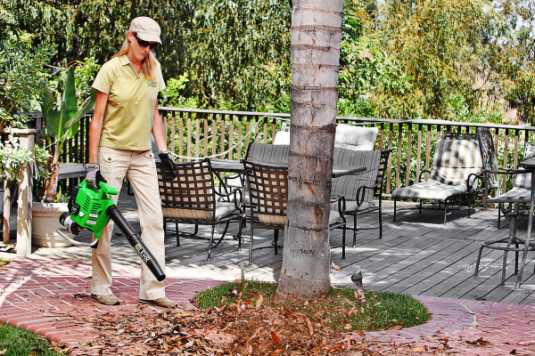
Leaf blowers may be convenient, low effort tools for moving a lot of leaves fast. But as with using gas-powered landscaping machines, can come at a cost beyond time and money. Blowers are noisy. They can cause hearing loss.

The exhaust also pollutes the air and contributes greenhouse gases.

Nature knows better. It knows that when leaves are left to lay on the ground, good things happen.

If you don't want to see a thick carpet of leaves in your yard you can help nature move things along by mulching fallen leaves with your lawn mower.

Fallen leaves form an organic blanket of sorts that protects roots and critters from the pending cold weather. Over time, this blanket is composted by a plethora of microorganisms that the plant roots use as source of natural fertilizer, and pollinator insects use as a food source.

This organic matter also allows more precipitation to soak into the ground, reducing nuisance flooding events and polluted stormwater runoff while recharging groundwater supplies. Scientists estimate that forest floors infiltrate 10 to 15 times more precipitation than do equivalent areas of lawn.

As it travels into the ground, pollutants in precipitation can be filtered out by the soils and broken down by microorganisms. This ground water is the source of potable water for many Pennsylvanians with wells and supplies streams with cool, clean water in the summer dry months.

Leaves also play an important role in supporting diverse and abundant life in local rivers and streams by creating something called watershed "tea." This tea is the microscopic breakdown of leaves and wood, and it's the food source for the good bugs and bacteria in a stream. These bugs support healthy populations of the economically important Eastern brook trout, the iconic Eastern hellbender, our state amphibian, and a large array of other critters.

Pennsylvania has a lot of trees and thus leaves. But we've lost a lot, especially in the places where they're most needed—alongside streams and streets. No other practice is as good at restoring stream health, cleansing the air, and providing wildlife habitat than strategically planted trees. That's why we're working with over 200 partners to plant 10 million trees for Pennsylvania.

Numerous studies have also found the being around and just looking at trees can improve our health. Trees do this by releasing chemicals called phytoncides, which help lower blood pressure and heart rate, reduce stress, anxiety, and help with sleep.

So, take a break this fall. Instead of blowing them away, walk among the leaves.

These posts always make me want to go around and check the houses of the guys who put this stuff out, to see if they practice what they preach. 

The Wombat has Rule 5 Sunday: Denise Richards ready and waiting at The Other McCain.

Wednesday, February 17, 2021

Fairfax County Explores Leaf Bag Ban

Renee Grebe. Conservation Blog, Fairfax County: Speak up to ban plastic yard waste bags!

On Tuesday, February 23rd at 4pm, Fairfax County will be holding a public hearing on the topic of prohibiting the use plastic bags for yard waste collection. Over the last year, the County has thoughtfully executed an education and outreach plan to communities and residents to make this transition as smooth as possible.

Currently, collected yard waste across the county goes to a composting facility. At the facility, the bags holding the yard waste, be they paper or plastic, all get shredded and mixed into the compost. Through this process, plastic makes its way into our soils, water supply, and eventually to us. But this ordinance amendment would prohibit the use of plastic bags, thus creating a safer and healthier compost product.


However, there is opposition to this change in that it could cause inconvenience and added costs to residents. Given the alternatives provided, this ordinance need not do either. The County has provided several alternatives ranging from mulching leaves and yard waste back into the soil, to using paper bags or reusable containers.

Although I've never had to use plastic bags to dispose of leaves, having an enormous back lot where we can dump all the leaves  we can stand to move off our lawn, I defend you right to do so, if that solution works for you.

If the counties machinery can't tell leaves from plastic, maybe they need to  improve the machinery. 

The Wombat has Rule 5 Sunday: Niece Waidhofer  up and running.


Friday, October 16, 2020

A Perennial Post

Every year, around this time, a similar article comes out from the same crowd. I'm tempted to track down the houses of the principals and find out if they follow their own advice. My guess is they don't, and that their lawn care guys take care of the leaves just like everybody else. Chesapeake Bay Foundation, Raking Leaves? Drop the Rake and Stop What You’re Doing

This year save time and energy and leave the rake and leaf blower in the shed.

Yes, you heard that right, 2020 is the year to leave the leaves where they lie. Although people often rake and bag leaves to prevent their lawns from being smothered and to make yards look better, in most cases, you're fine not moving them. In fact, many environmental experts say raking leaves and removing them from your property is not only bad for your lawn but for the environment as a well. 


Instead, use your lawn mower and chop the leaves up. Not only will the leaves provide excellent nitrogen and organic matter that your winter grass will love, it’ll:
  • protect root systems;
  • preserve soil moisture; and
  • the lawn mower will help cut weeds, providing critical light for your grass
Mulching your leaves also helps wildlife. Insects depend on leaf litter in the winter to provide protective habitat and food. Those insects in turn become winter food for other animals like birds. The only reason to pick up the rake this year is to help spread the love of your leaves to other parts of the yard or garden that can use this natural fertilizer. 


Not only does mulching your leaves help your grass and soil, it also helps reduce greenhouse gases and limits waste. According to the Environmental Protection Agency (EPA), 8.7 million tons of yard trimmings, which include leaves, went to landfills in 2017, accounting for just over 6 percent of all waste in landfills. These bags of leaves not only take up space, they also can break down with other organic waste to create methane, a potent greenhouse gas which exacerbates climate change.

If you must rake your leaves, check to see if your city or county has a composting program—some programs even give you mulch in return. Try to avoid raking your leaves for pickup into the street. There, they can clog storm drains and make their way into local streams and the Bay, increasing nutrients and leading to algae blooms and dead zones.

So do the Bay a favor and drop that rake!

I keep telling Georgia, and she keeps not believing them. 

The Wombat has Rule 5 Sunday: Dawn Wells up and running.